
Adhesives for Microelectronic Applications
DELO adhesives for microelectronic applications are designed to support the assembly, packaging and protection of miniature electronic and semiconductor devices. These microelectronic adhesives are high purity materials used for bonding, encapsulation, sealing, underfill and reinforcement processes where placement accuracy, long-term reliability and process control are critical.
Microelectronic assemblies typically involve delicate components, fine geometries and mixed materials. DELO adhesive technologies are formulated to deliver controlled curing, low mechanical stress and consistent electrical and thermal performance in demanding production environments.
Inseto supports customers across the UK and Ireland with application-specific adhesive selection, process optimisation and technical support for microelectronic manufacturing. Our team works alongside production and process engineers from first material trials through to a repeatable, qualified process on the line.
Start your enquiry by contacting us online now.
Where Are Microelectronic Adhesives Used?
Typical microelectronic applications for DELO adhesives include:
- Die attach using conductive and non-conductive adhesives.
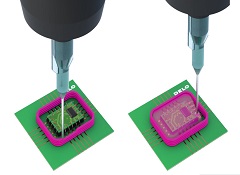
- Glob top, dam and fill, and encapsulation for IC protection.
- MEMS and sensor packaging.
- Optical and photonic component bonding.
- Underfill, sealing and mechanical reinforcement of fine electronic assemblies.
What Are The Bonding Challenges In Microelectronic Assembly?
Microelectronic assemblies place unique demands on adhesive materials. Key challenges include:
- Extremely small bond lines and fine pitch structures
- Sensitivity of components to thermal and mechanical stress
- Requirements for low ionic contamination and high material purity
- Thermal management and electrical performance control
- Long‑term reliability under temperature cycling and vibration
DELO microelectronic adhesives are engineered to address these challenges while maintaining high process stability and yield. Inseto’s technical team can help you select the right chemistry, test it against your specification and build it into a controlled production process. Contact us now for a quote or get in touch via enquiries@inseto.com or call +44 1264 334505.
Get in touch with enquiries about our range of DELO adhesive products
Send us an enquiry
Close
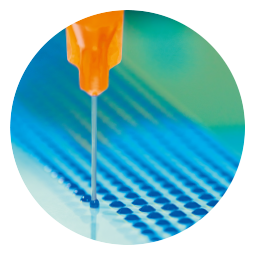
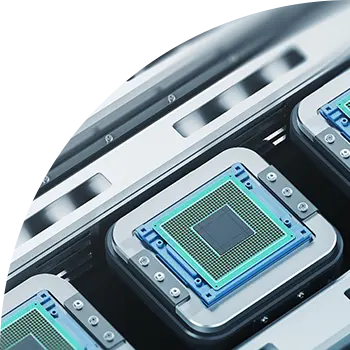
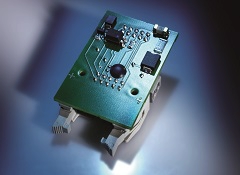
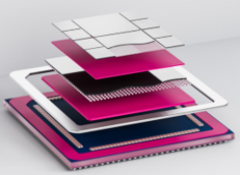
Explore Microelectronic Applications for DELO Adhesives


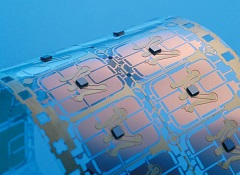





FAQs
What is the difference between conductive and non-conductive die attach adhesives?
Conductive die attach adhesives are filled with materials such as silver, giving the bond line an electrical and thermal path between the die and substrate. Non-conductive die attach adhesives provide mechanical bonding and electrical isolation, and can be filled to improve thermal transfer where needed. The choice depends on whether the die back needs an electrical connection, how much heat the device must dissipate and what bond line thickness your process requires.
When should I use dam and fill instead of glob top encapsulation?
Glob top is a single material dispensed over the die and wire bonds, which suits simple assemblies with standard wire loop heights. Dam and fill uses a high viscosity dam to define the boundary, followed by a lower viscosity fill that flows within it. This gives better control over encapsulant height and footprint, and suits fine pitch layouts, tall wire loops and areas where material spread must be limited.
How do adhesives reduce stress on MEMS and sensor packages?
Stress comes from cure shrinkage and from the mismatch in thermal expansion between the die, adhesive and substrate. Low shrinkage formulations, a suitable modulus and controlled cure profiles reduce the load transferred to the die. Low temperature or light activated curing also limits thermal stress during assembly, which helps protect sensitive structures and keeps sensor output stable.
Why does ionic contamination matter in microelectronic adhesives?
Mobile ions such as chloride can migrate under humidity and bias, leading to corrosion of bond pads and metallisation, leakage currents and long term reliability failures. Low ionic content adhesives reduce this risk, particularly in encapsulation, underfill and die attach applications where the material sits in direct contact with active circuitry. Inseto’s technical team can review the purity requirements for your device and recommend a suitable DELO adhesive.
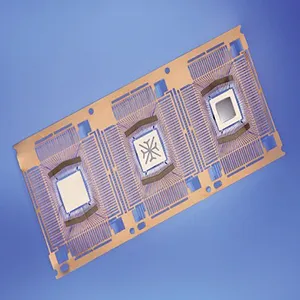
Further Information
Applications
Die Bonding, Sealing, Encapsulation, Potting, Protection Against Vibration, Securing, Dam & Fill, Underfill
Industry Segments
Microelectronic / Hybrid Assembly, Semiconductor Assembly / Back-end Assembly etc., Fibre Optics / Photonic Assembly, Microwave Electronics, OEM Equipment Manufacturers, Precision Components & Assemblies, PCB Assembly, Electronic Component / Device Assembly, Smart Cards, Smart Labels, RFID, Automotive Electronics etc.
DELO Website
Region
United Kingdom and Ireland
Request Form
 Back to top